When I first said it in a meeting, I hadn't planned to. But after I said it, I had to pause and listen to my own words:
How do you operate : human first, AI assisted, or AI first, human assisted?
Is there really a difference?
Huge.
The distinction isn't about which tools you use. It's about where the thinking starts. Take some of the most important work we do in product:
Developing strategy
Doing product discovery
Building business cases
Making trade-offs
Deciding what not to build
These aren't simply tasks that require information. They require something uniquely human:
Thinking. Reasoning. Context. Judgment. Conscience.
That's why I believe the better starting point is: Human first. AI assisted. Start with your own thinking, form a hypothesis and build your initial point of view. Make sense of what you know and acknowledge what you don't.
Then bring AI into the room.
Ask it to find your blind spots.
Connect knowledge you hadn't connected.
Challenge your assumptions.
Argue the opposite position.
Surface evidence you may have missed.
Stress-test your reasoning.
Help you see around corners.
That's where AI becomes incredibly powerful, not because it thinks for you, but because it makes your thinking harder to fool.
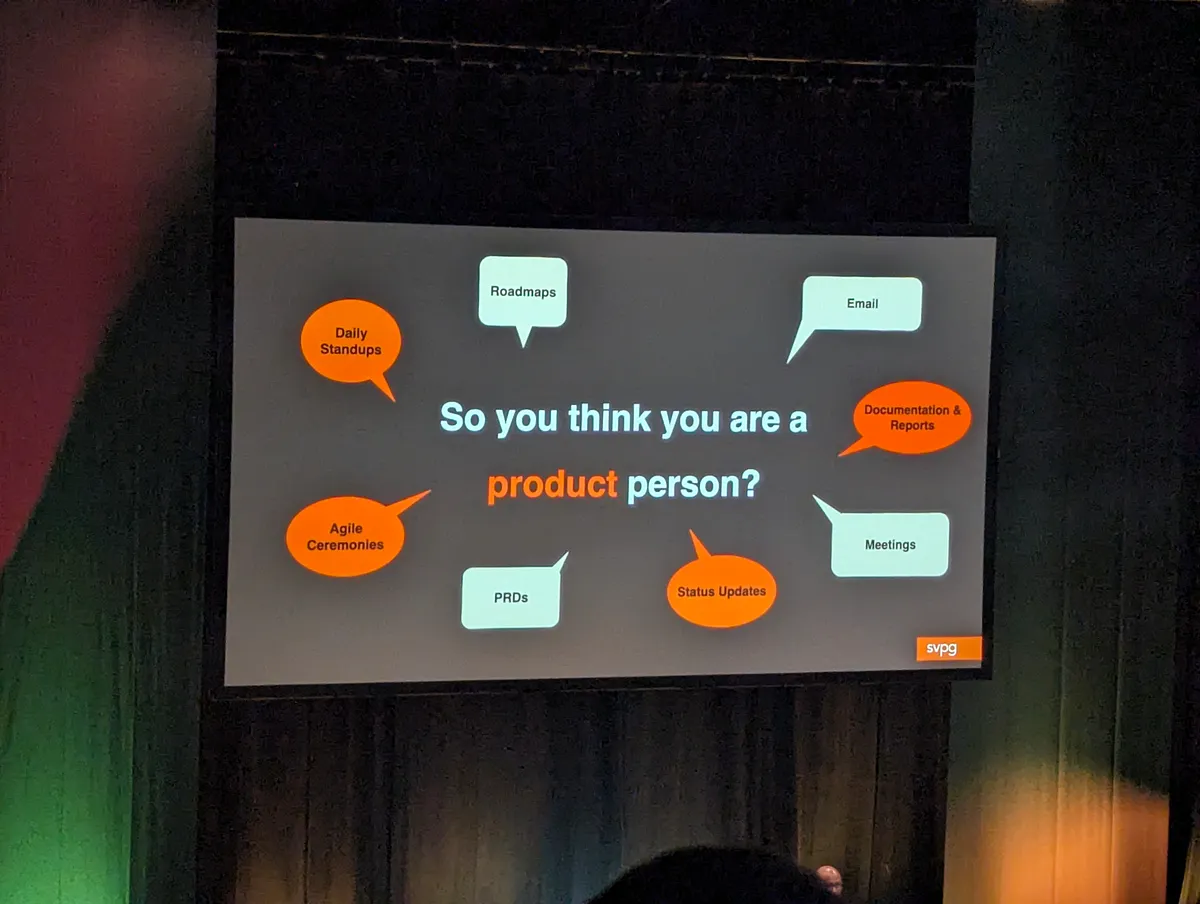
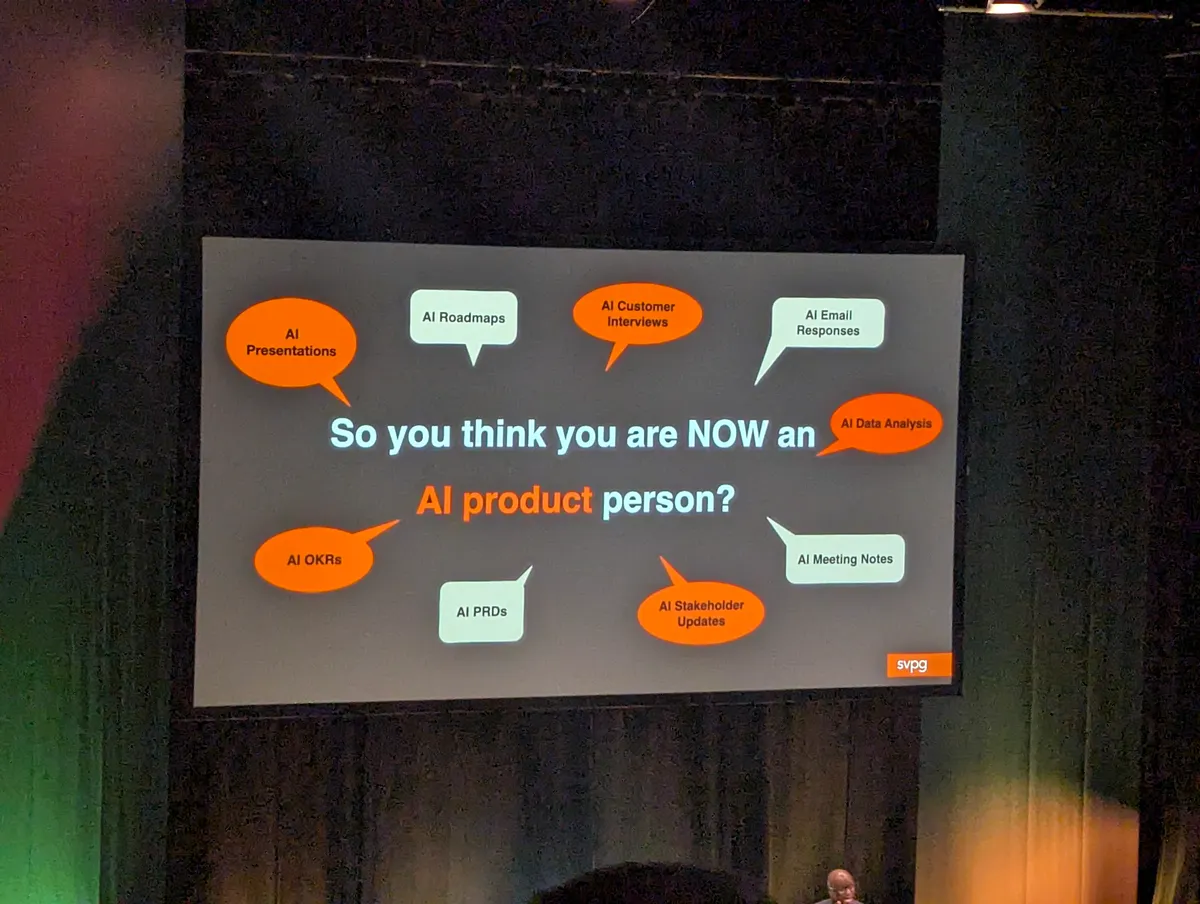
Now imagine the other model : AI first. Human assisted.
Give an AI agent a blank canvas:
"Create the product strategy."
"Run product discovery."
"Analyze the market."
"Generate a business case."
"Test the assumptions with synthetic users."
On the surface, this looks like the future of productivity. And sometimes, it will produce something impressive. But there's a danger.
When the starting point is machine-generated and the human's role is primarily to review, we risk producing something that is technically coherent but intellectually hollow.
The uncomfortable part of my job
A significant part of my job now is reviewing AI-generated documents, whether its PRDs, business cases, strategy docs.. and it's not easy.
Not because AI can't produce good work. It absolutely can. The problem is that reviewing AI-generated work requires a different kind of effort.
You have to separate:
Signal from fluency.
Insight from synthesis.
Reasoning from plausible language.
A genuine point of view from something that simply sounds like one. And yes, I could ask my own AI agent to review it. Sometimes that would be useful. But I increasingly find myself resisting the temptation. Because there is another human on the other side of that document.
Someone spent time thinking about the problem. Or, perhaps, someone didn't. Either way, I want to understand their thinking. I want to ask questions. I want to understand what they saw that I didn't. I want to challenge their assumptions. I want to help them sharpen the idea. And if the work is weak, I want to understand why.
There is something about that interaction that AI shouldn't automatically optimize away. The author deserves a personal touch.
The product leader's job is changing
Perhaps this is one of the most important competencies for product leaders now. Leading with conscience, sharpening your judgement, asking the right questions.
Because we should make sure that, as our machines become better at producing answers, we don't become worse at asking the right questions.