A few months ago, I caught myself wondering: product teams are always busy - but are we making a real impact?
Our calendars are full, delivery never really stops, and work keeps moving. Yet busyness alone doesn’t guarantee impact. That question stayed with me: what would it take to become an outcome-driven organization?
Firstly, what does outcome driven mean?
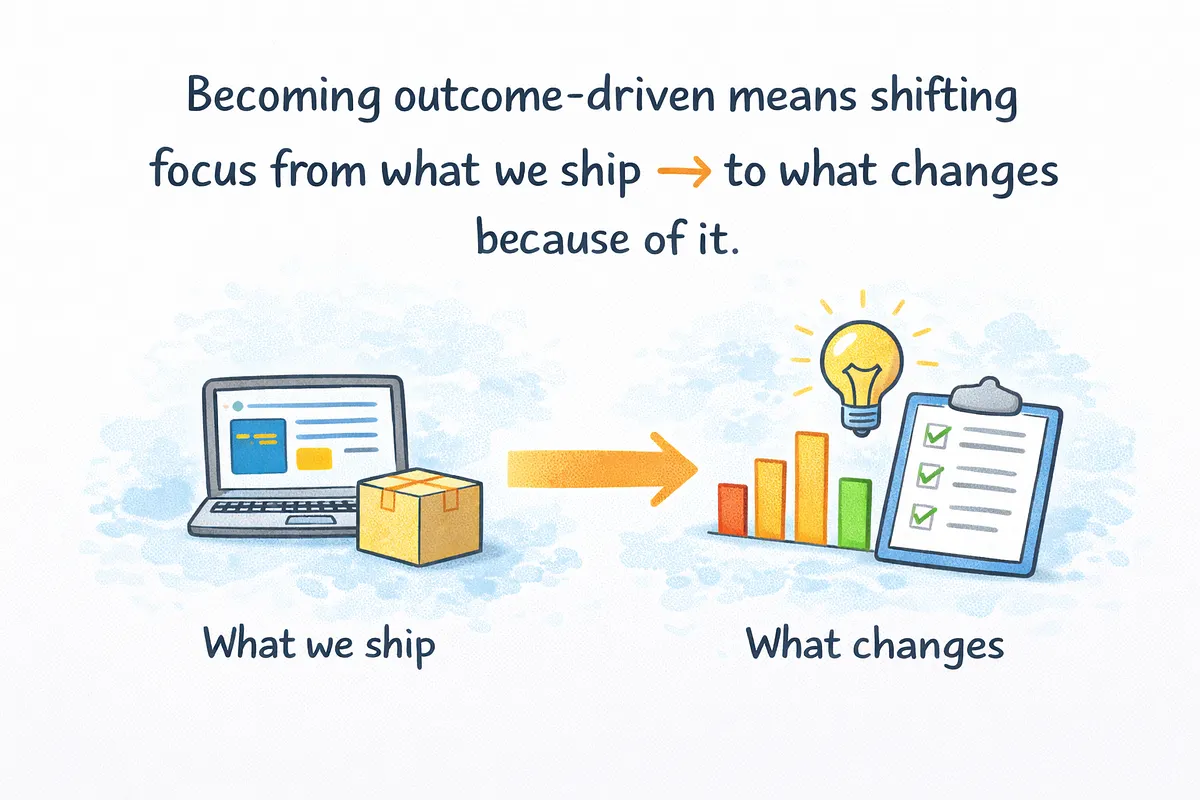
This shift matters because it fundamentally changes how we define success.
From assumptions to evidence
Every opportunity starts with an assumption:
If we do X, we expect Y to happen.
Assumptions itself aren’t a weakness but untested assumptions are. Being outcome-driven means making those assumptions explicit and validating them through data, behavior, and feedback. Even when an assumption is wrong, progress comes from what we’ve learnt.
A simple decision loop
Outcome-driven work doesn’t require heavy frameworks. It starts with three questions:
What are we doing?
What change do we expect to see?
How will we know if it worked?
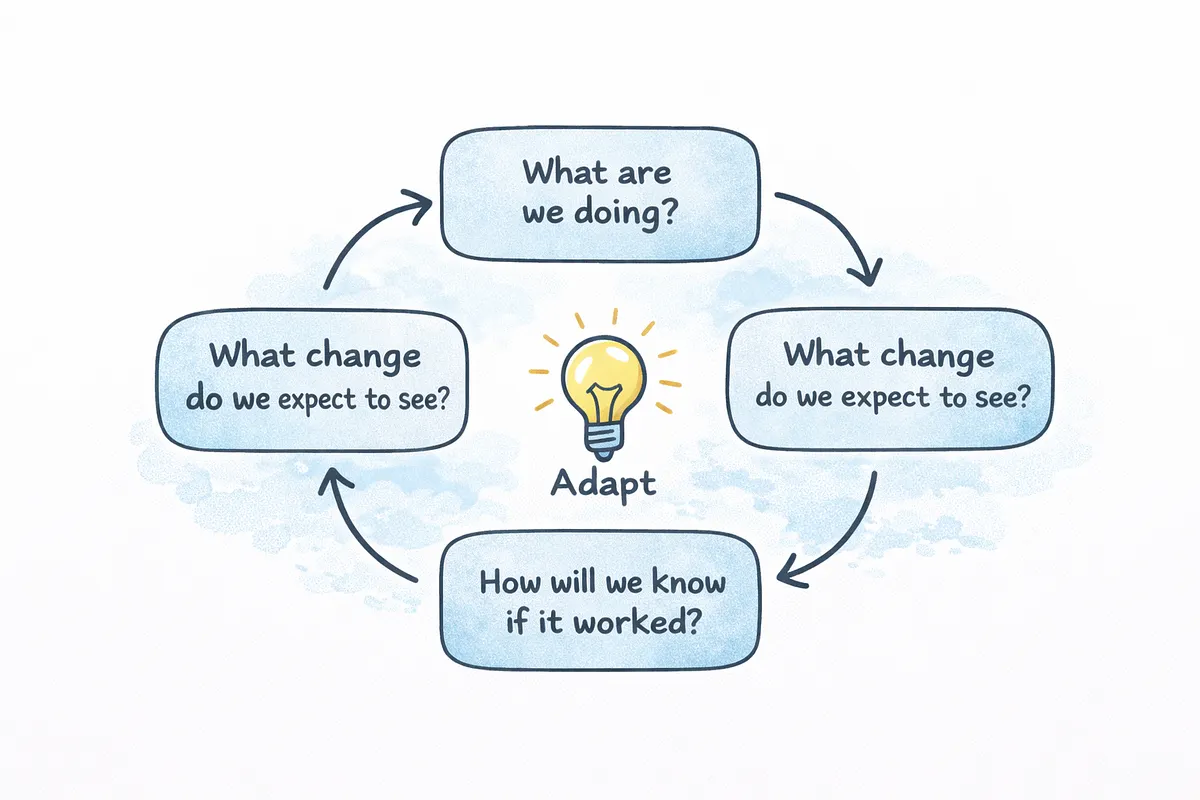
If the expected change doesn’t happen, we adapt.
At its core, this is a mindset shift from “What did we deliver?” to “What changed because of it?” and how we define success.
Looking ahead
Becoming outcome-driven is not a one-time change. It’s a continuous practice of experimenting, learning, and adjusting.
Over time, this approach helps teams focus their energy where it truly matters: on outcomes that create real value for users and the organization as a whole.
Fewer opportunities. Clearer focus. Clearer outcomes. Greater impact.